Adam Henein
Introduction by Mahmoud Zibawi
Edited by Sherif Boraïe
Hardcover in slipcase | 216 pages | 66 color illustrations | 32×32 cm | English/Arabic
2025 | ISBN 9789775864383
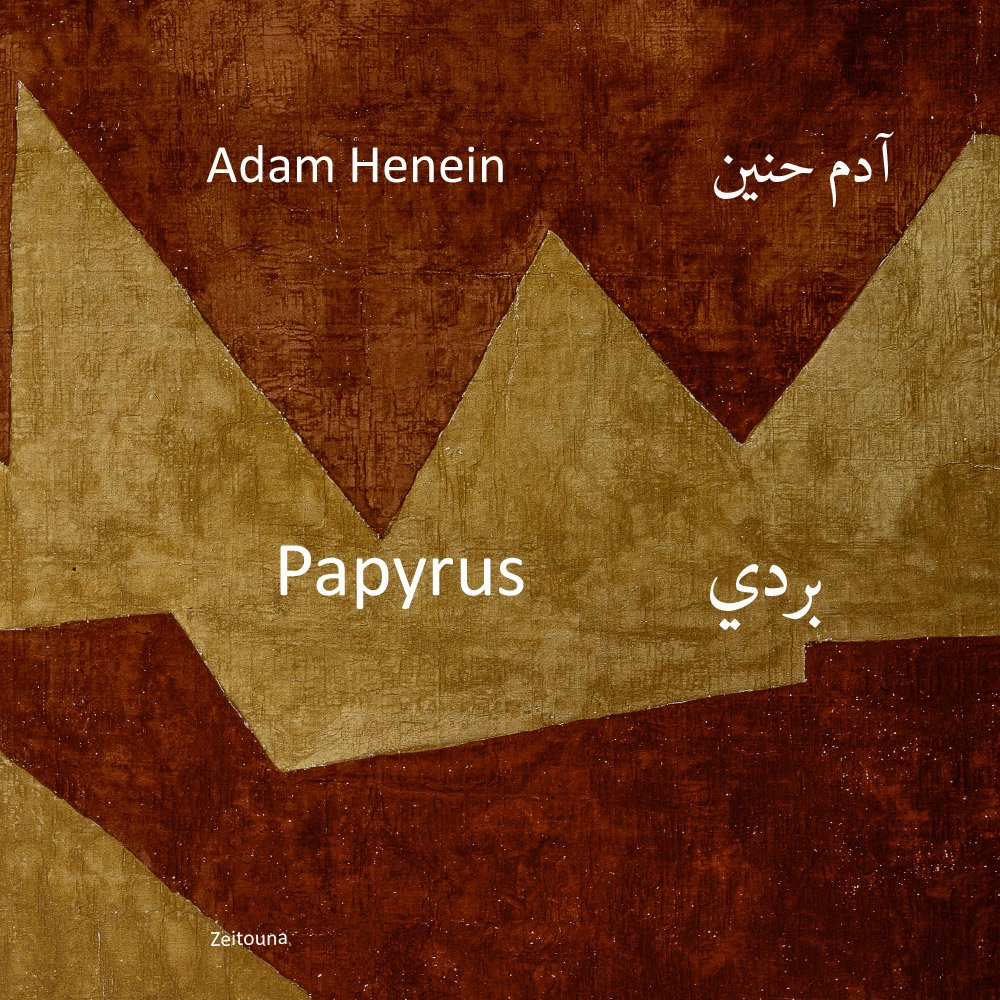
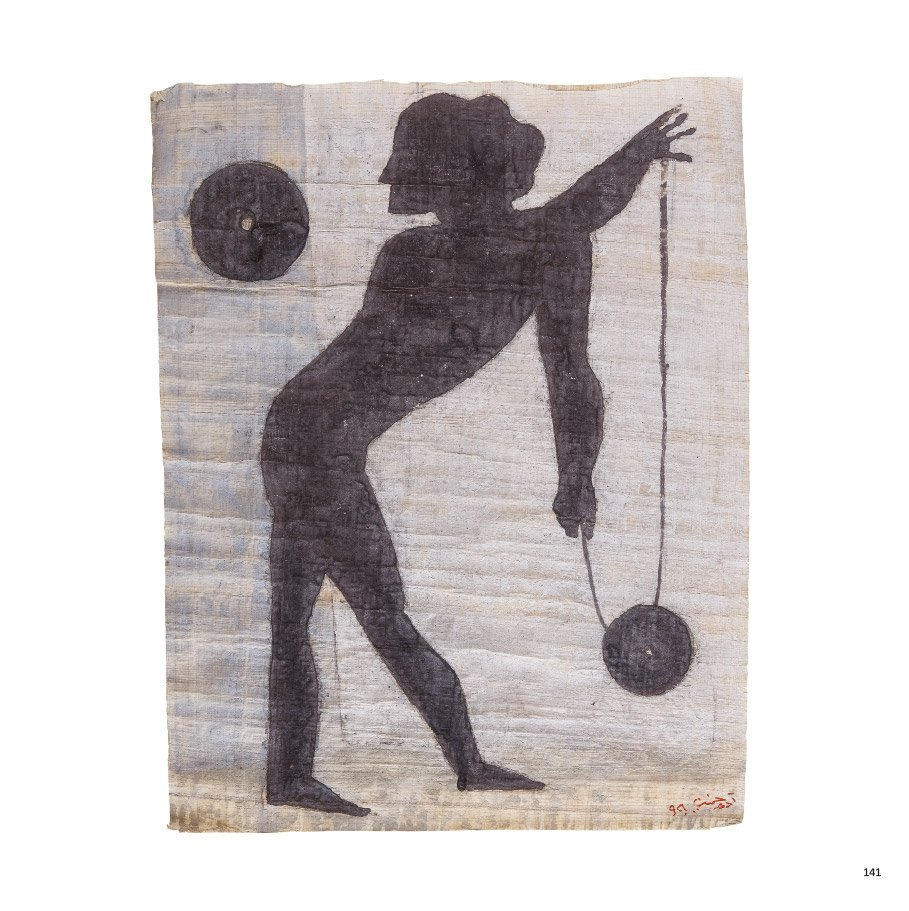
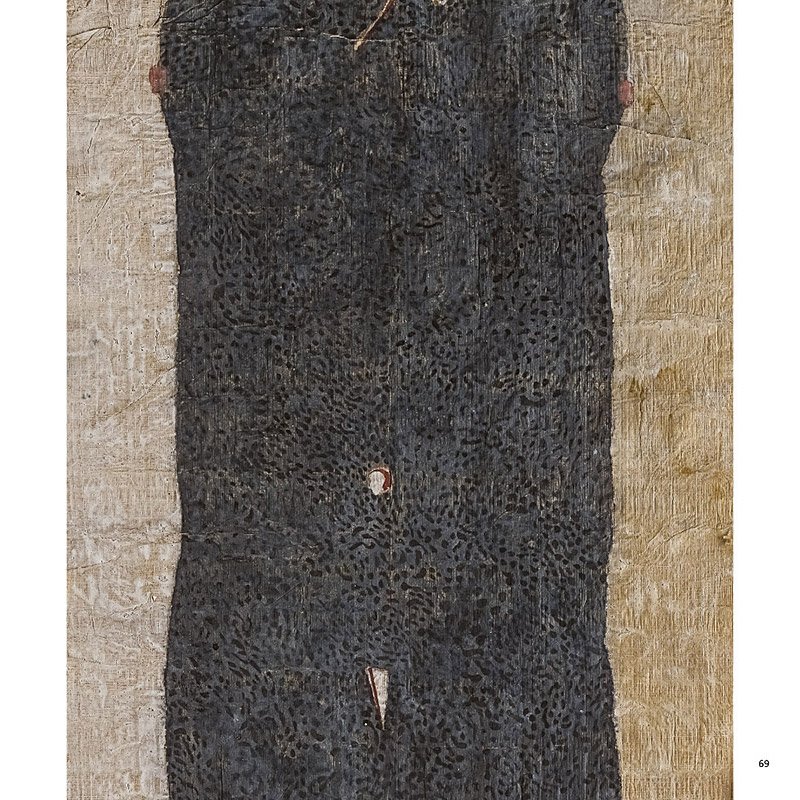
Renowned artist Adam Henein’s (1929-2020) works on papyrus are here published on their own for the first time.
This volume is the first of three covering the works of the genius Egyptian artist.
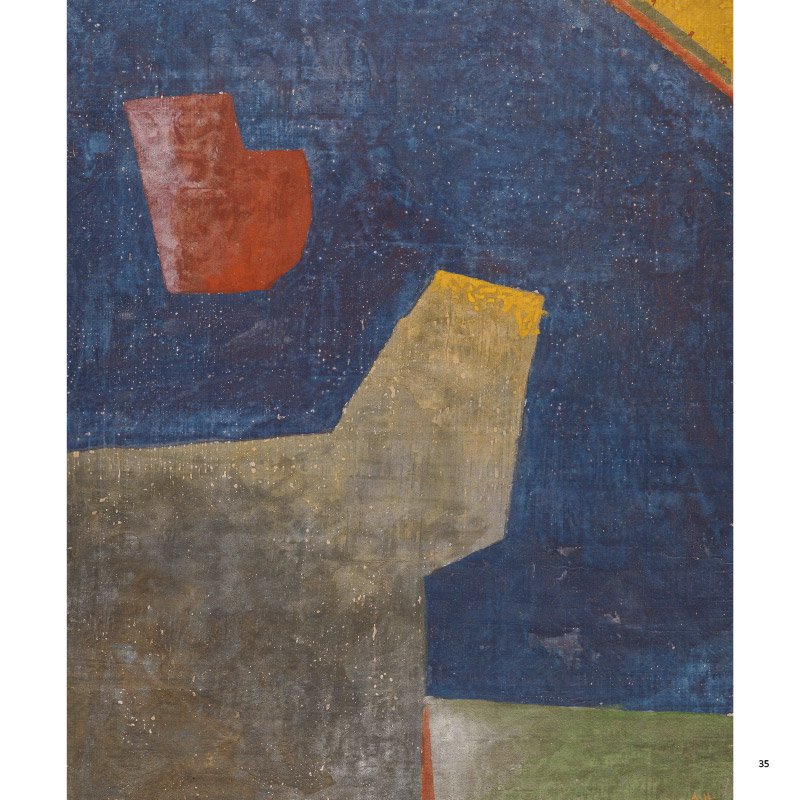
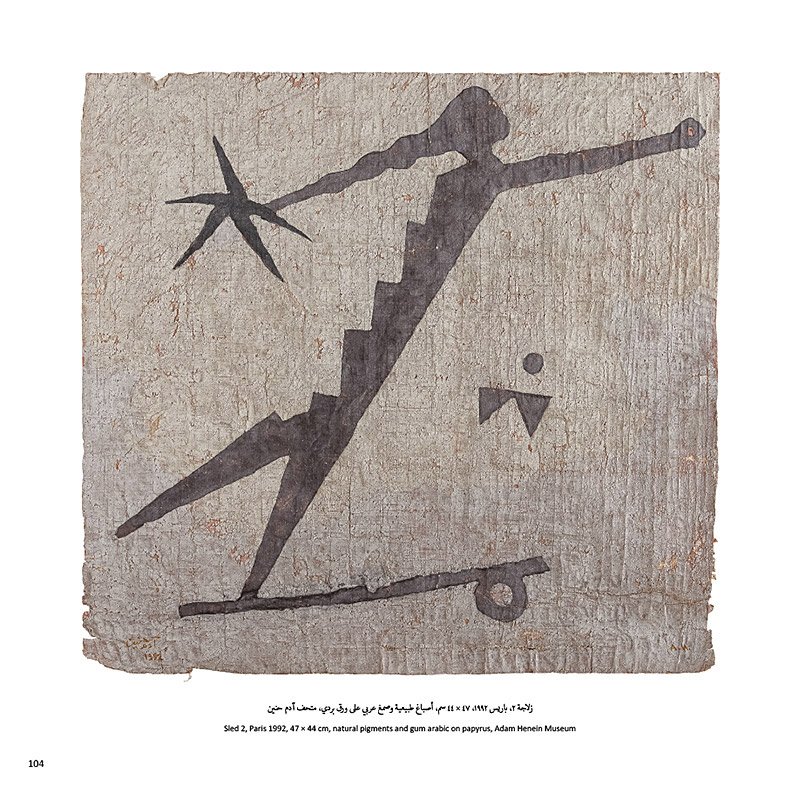
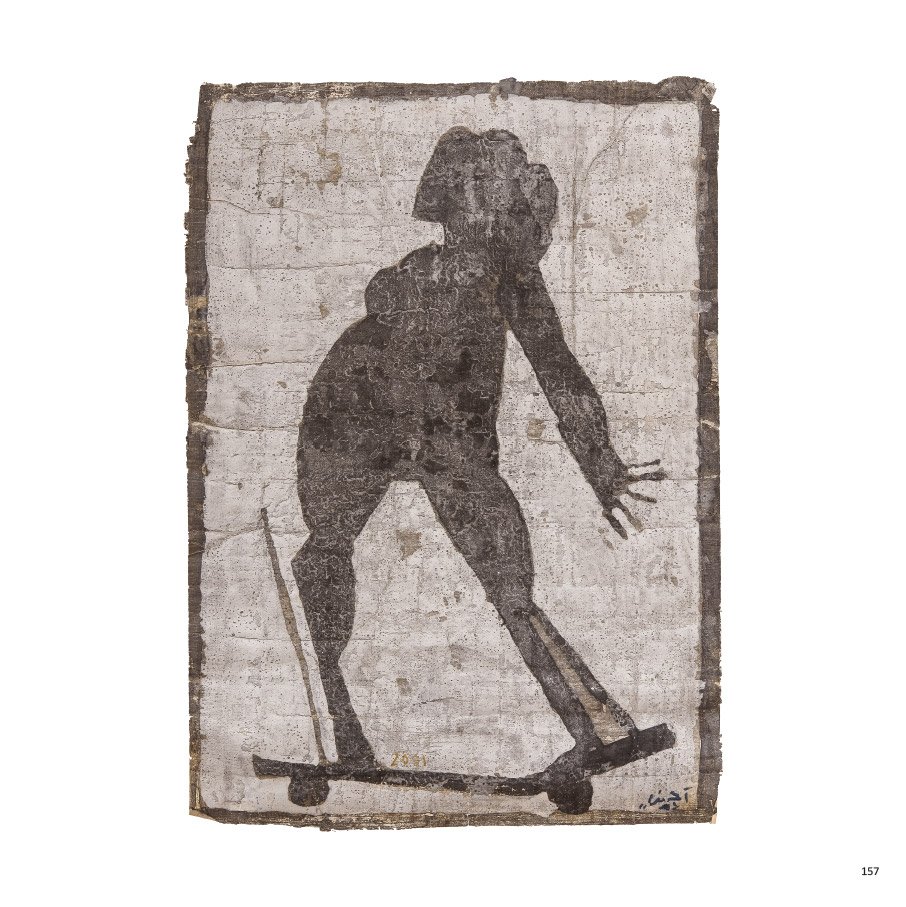
“I have a dialogue with papyrus. My feeling for the material is my starting point. Papyrus is part of the artwork. It has a special light, the radiance in my works is partly due to the papyrus itself. It is an amazing material that combines stone and wood, and has a warmth that connects me organically to it. In addition to being a solid foundation for constructing the painting, it is essential to its materiality. As for technique: I prepare my own colors from materials I mix with gum arabic, a technique similar to that used by the pharaohs.”
—from an interview with Adam Henein in 1984
“In his odyssey of more than half a century, Adam Henein practiced both sculpture and painting. A sculptor first, he diligently applied himself to painting from his debut in the mid-1950s, taking a purely figurative dimension in the 1970s.
The adventure began in 1976 when the painter Tahiya Halim visited Henein in Paris with a gift of three sheets of papyrus. This paper, a legacy of the past, its manufacture recently revived in Egypt, astonished him. He touched it, captivated by its texture, and spent over three months wondering how it might be used. He studied the techniques of the Ancients to paint on paper made from papyrus and experimented until he developed a special technique using Egyptian earth-based pigments mixed with gum arabic. Henein combined a natural plant-based paper, natural colors, and a natural adhesive, which proved remarkably stable and resistant to deterioration. This canvas of papyrus paper not only served as a surface, with natural earth colors used by Egyptian peasants and the people of Nubia in their homes, its texture was a unique decorative element, which he would consistently and constantly employ.”
—from the introduction by Mahmoud Zibawi